When you buy through links on our site , we may bring in an affiliate perpetration . Here ’s how it works .
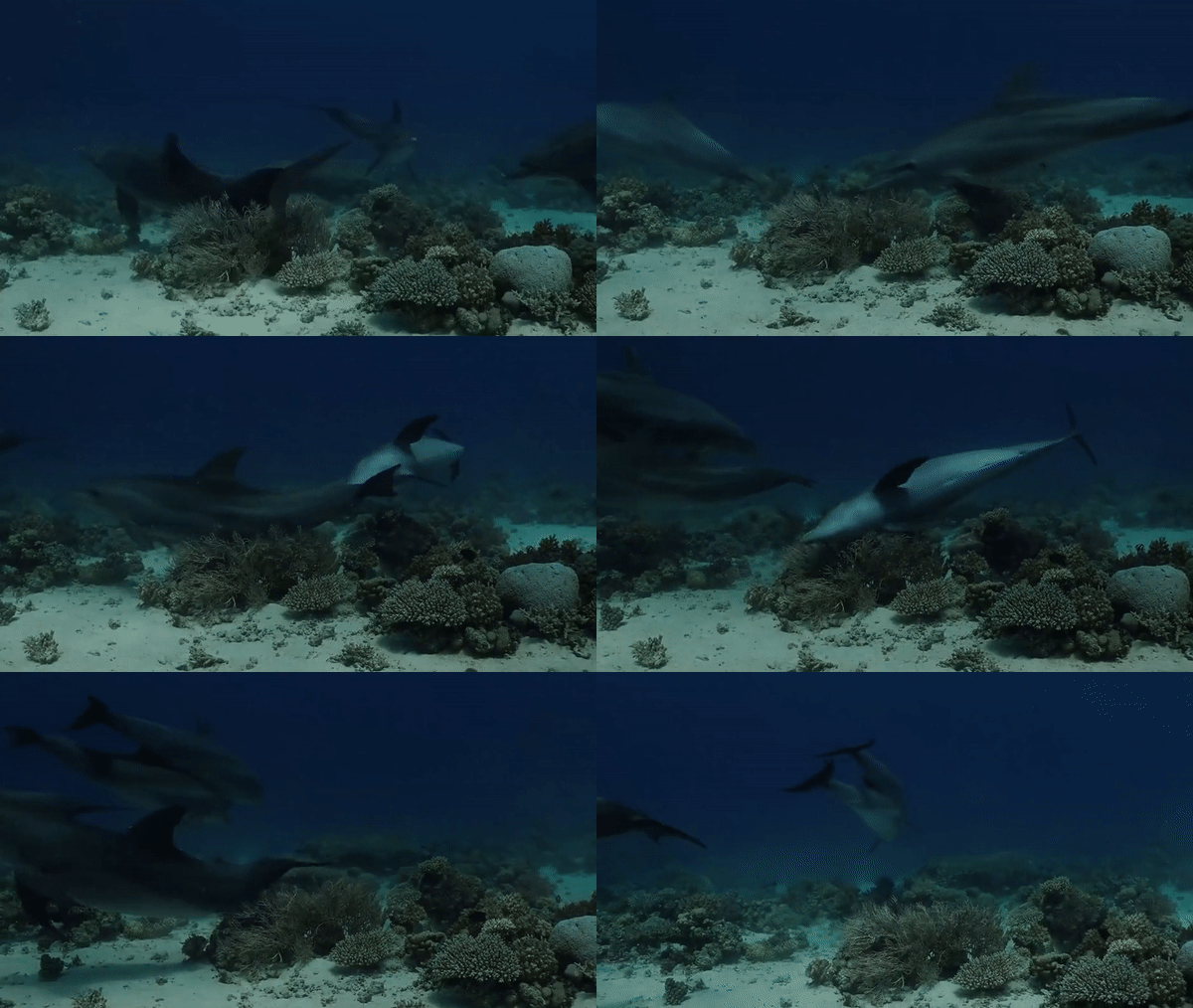
Almost like giggling children , dolphins and heavyweight squeal with joy when they get a fishy delicacy , a new study finds .
These nautical mammalian are known to use buzzing sounds to navigate and intercommunicate when run for solid food . But the brute also emit triumph squeals in response to a advantage , or merely the hope of one , researchers say .

A Beluga whale dives to a sound station during an experiment. Belugas and dolphins emitted a high-pitched squeals after getting a reward signal from a trainer.
Sam Ridgway , president of the National Marine Mammal Foundation in San Diego , has spend most of his living studyingbeluga whalesandbottlenose dolphins , to understandhow deep they plunge , how fast they float and how well they hear . In their studies , he and his fellow civilize the animals to do thing by honor them with tasty treats . [ See video of dolphinfish squealing with delight ]
" We noticed that each time an animal took a fish , it would make this special pulsed sound , " said Ridgway , co - author of the study , published today ( Aug. 13 ) in The Journal of Experimental Biology .
The dolphin or beluga whale would even make the sound in response to the trainer ’s signaling before he or she gave the advantage . " Over the years , we pick up it many times , " Ridgway told Live Science .

Thebizarre soundtypically dwell of a rapid series of pulses , commonly with an upsweeping smell . in the beginning , he assumed the audio were signals to fellow animate being that food was nearby . But when his wife suggested the squeals resembled the sounds of jubilant children , Ridgway decided to find out if she was right .
Victory squeals
Ridgway and his colleagues trained bottlenose dolphins ( Tursiops truncatus ) and belugas ( Delphinapterus leucas ) to perform project such as diving , and used a whistle or buzzer to signal that the brute would be reward afterward . The animals consistently made the squealing noise after hearing the signal , even long before the reward came .

The researchers dubbed the sounds " victory squeal , " because the animals seemed to be celebrate their advantage .
As part of the study , the researchers trained two rescued belugas and a dolphin , both raised in captivity , to plunge in the open ocean and turn off an artificial buzzer by fight a button . ( Interestingly , the animals perform the chore willingly , allowing themselves to be returned to captivity afterward . ) The research worker used submerged microphone to record the sounds .
While at depth , the animals made victory squeals correctly after they turned off the buzzer , well before coming up to the surface , the researchers base .

Many animals that echolocate , or use sound to navigate , have been known to give rise similar auditory sensation . Batsmake what scientists call a " last buzz " when they zero in in on their dirt ball prey . Beaked whales also buzz when they close in on calamari , and sperm whales have been known to make creak sound when catching their food for thought .
But unlike these animals , the dolphins and whales in the work made sound after they get a suspect reward , suggesting the sound were exclamations of delight . To explore this further , the researchers turn to psyche chemistry .
Brain pleasure centers

When a mammal — whether it ’s a rat or a human — gets a reward , it triggers a flood ofthe chemical dopamineto the nous ’s pleasure centre of attention .
It make common sense that the brain would reward something like food , Ridgway said . " We have to have a system in our Einstein that ’s rewarded by food if we ’re going to survive well , " he tally .
In late experiment , when researchers electrically stimulated these regions in the brains of rats , the animals appeared to receive delight . exchangeable experiments in monkeys have read the brainpower releases dopamine about 100 to 200 milliseconds after a rewarding stimulant , such as food .

The research worker measured the time when the dolphins and whales in the study made their victory squeals , and found that dolphin squealed 151 millisecond after the reward signal and belugas did so 250 milliseconds afterward , indirectly suggesting the animals were squealing in answer to a Intropin surge .
Whales and dolphins have a wide range of emotions , and are very expressive , Ridgway said — " perchance more than any other animate being [ that ] expresses their emotions through sound . "